
How Often Does a Septic Tank Need Cleaning?
The 3 to 5 year window is a range, not a rule, and your household is the variable. A family of five running two bathrooms fills a tank faster than a retired couple in the same house. Garbage disposals, long showers and laundry habits all matter too. If you are not sure where your Schaumburg property falls, the safest move is scheduling a pump-out at the shorter end of that range and adjusting from there once you see how fast solids build back up. Septic pumping service providers can pull a sludge measurement during the visit and tell you whether you are ahead of schedule or overdue. That measurement matters more than the calendar, and it is the same logic behind septic tank cleaning scheduling generally. A tank that is 25 percent full of solids on inspection day needs attention regardless of when it was last serviced. For grease-heavy setups like restaurant interceptors, the threshold is different and worth knowing separately: a grease interceptor gets pumped once fats, oils, grease and solids reach 25 percent of the liquid depth. That is a distinct system from a residential tank, but the same "check the depth, not the date" logic applies. If your Schaumburg home has ever backed up between scheduled visits, that is your household telling you the interval is too long.
What Determines Septic Tank Cleaning Frequency?
Tank size sets the ceiling, household size sets how fast you hit it. A 1,000-gallon tank serving two people lasts longer between pumpings than the same tank serving six. Water usage compounds the effect: dishwashers, washing machines and extra bathrooms all add volume that has to pass through the tank. Soil condition around the drain field plays a role too, though that is something a technician evaluates on-site rather than something you can eyeball, much like the placement questions covered in porta potty placement guide for temporary sites. For construction crews and property managers running temporary sites in Schaumburg, the septic question often overlaps with portable sanitation planning. A active build site needs its own restroom count separate from any septic system on the property, and that is spelled out in OSHA 1926.51(c), which sets facility ratios for construction crews, a number worth checking alongside how many porta potties do I need before ordering units. Homeowners doing a renovation while the main bathroom is offline sometimes rent a unit short-term rather than stress the septic system further; see home renovation porta potty options if that applies. Either way, frequency is a household math problem: gallons in, tank capacity, years between service, similar in spirit to sizing a standard porta potty rental around headcount rather than guesswork. How often to pump a septic tank questions almost always trace back to one of those three numbers.

Should Schaumburg Homeowners Pump Before Warning Signs Appear?
Yes. Waiting for a backup means the system already failed once, and by then you are dealing with cleanup on top of the pump-out. Slow drains, gurgling pipes and soggy patches near the drain field are the usual early signs, and by the time you smell sewage indoors the tank is well past due. Catching it early costs less and protects the drain field from damage that does not reverse, the same reason a porta potty rental checklist is worth running before a project starts. Septic tank warning signs are worth learning even if your last pump was recent, because a cracked baffle or a collapsed inlet pipe can shorten the interval regardless of tank size. Homeowners 5.7 miles northwest in Hoffman Estates and 10.6 miles southwest in Bartlett deal with similar clay-heavy soil conditions around Schaumburg, and slow drainage there often points to the drain field rather than the tank itself. If you catch signs between scheduled pumpings, do not wait for the next calendar date, the same urgency that applies to an emergency porta potty rental when a jobsite restroom fails. Emergency septic service exists for exactly that gap, and same-week attention usually costs less than what happens if the system backs up into the house.
Do Commercial Properties Follow the Same Schedule?
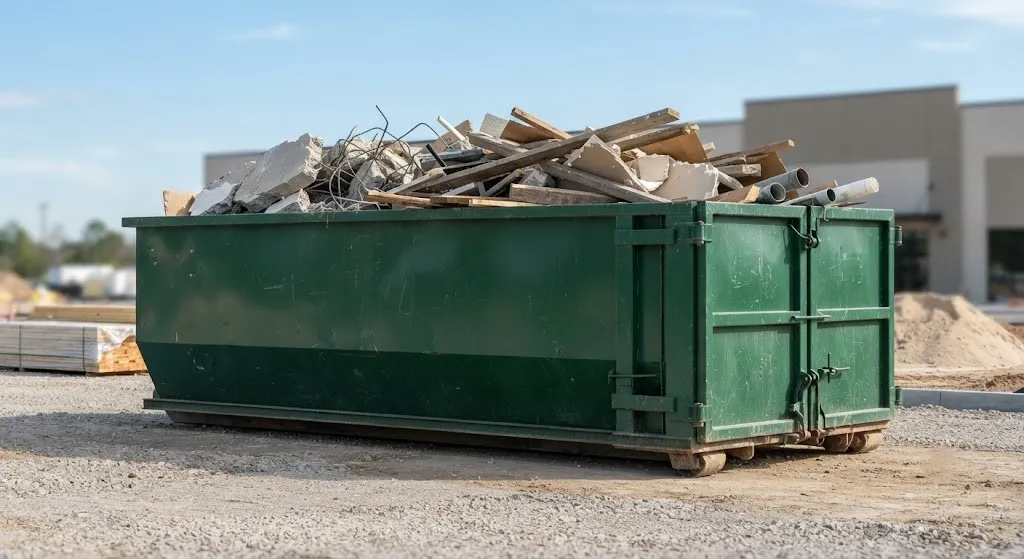
No. Commercial kitchens and grease interceptors run on a different clock than residential tanks, driven by volume and fat content rather than years. A restaurant's interceptor fills with fats, oils and grease far faster than a household tank fills with normal wastewater, which is why the 25 percent depth threshold applies instead of a fixed year count. Grease trap pumping needs its own inspection schedule, often monthly or quarterly depending on kitchen volume. Property managers running multiple Schaumburg locations sometimes combine septic and grease service calls with other site needs, like portable restroom rental for outdoor events, temporary fence rental during a parking lot repair, a roll-off dumpster rental for cleanup debris, or a storage container rental to secure equipment on-site. If your property has both a septic system and a grease interceptor, track them separately, and pair either with a handwashing station rental if kitchen staff need a compliant setup during service work. Confusing the two schedules is a common way commercial properties end up with an overflow they did not see coming.
Frequently asked questions
How much does septic tank pumping cost in Schaumburg?
Pumping typically runs in the range covered on our septic tank pumping cost page, with day-rate service calls and separate weekend pricing depending on urgency. Exact cost depends on tank size, access and how much buildup has accumulated since the last visit.
Can I extend the time between septic pumpings?
Somewhat. Cutting garbage disposal use, spacing out laundry loads and avoiding flushing wipes all reduce solids buildup. But soil type and household size still set the outer limit, and stretching past 5 years on a small tank usually backfires, much like ignoring the ratios in ADA restroom requirements on a jobsite backfires.
What happens if I skip a scheduled pump-out?
Solids build past the point the drain field can handle, and you risk a backup into the house or a failed drain field that requires excavation. That repair costs far more than routine septic pumping service would have.
Does a bigger household always mean more frequent pumping?
Generally yes, since more people means more water and waste volume moving through the same tank. Two people and six people on an identical 1,000-gallon tank will land on very different intervals within that 3 to 5 year range.
How do I know if my tank is due now?
Watch for slow drains, gurgling, or wet spots near the drain field, covered in more detail on septic tank warning signs. A technician can also check solids depth directly rather than guessing from symptoms alone.
Next step
Get a delivery date
Tell us the address, the dates and the headcount. We size the order and confirm the route.